

In this newsletter, we discuss the IMF's proposals and recent developments regarding crypto regulation.
Dear readers,
We hope you are doing very well and are in good spirits. We began exploring how decentralized networks can be used to address the trust issue we discussed, first with our article on " Crypto and the Concept of Trust, " and then with our article on " Principles of Assurance ." We would be very happy if you listened to our podcast, which also focuses on the concept of trust.
Listen or view the original embed ↗
then access our article discussing the bridges between us and blockchain, and the role of oracles , from here .
Looking at this week's developments, we can start with the IMF's five-stage plan for crypto assets . First, we learned that all cryptocurrency platforms will need to be licensed and approved , and that these platforms must include all types of asset storage and transfer methods. We couldn't help but think that these regulations were inspired by the FTX scandal . They also state that it must be clearly defined who is responsible for storing clients' assets separately from the company's own assets.
stablecoins will be subject to much stricter regulations, because any problems in this area could actually lead to major vulnerabilities in the system and cause distress for many investors.
So what exactly was this Stablecoin?
Also known as stablecoins, these cryptocurrencies aim to reduce volatility and provide price stability in the highly volatile cryptocurrency markets. Their ability to create resistance against sudden price movements is usually achieved by being pegged to the price of a physical asset.
The IMF argues that popular stablecoins should operate under a level of regulation similar to that applied to banks. This, if done correctly, would actually benefit us, keeping us safe rather than causing us problems.
a global " consensus " can be reached on these regulations. However, the IMF's recommendations seemed quite objective to us.
In the blockchain world, "consensus" is a crucial concept for completing transactions and enabling applications to function. To recap, when a " consensus " is reached on a transaction approved by many nodes— that is , when the majority agree— the transaction on the blockchain is considered complete.
Unfortunately, another piece of news isn't exactly good news. Genesis declared bankruptcy last Thursday . According to leaked documents, the first hearing for the cryptocurrency platform Genesis will take place on Monday, January 23rd. It's worth noting that Genesis was affiliated with Digital Currency Group , which is also connected to the popular CoinDesk .
We've had some exciting moments recently, witnessing some activity in the markets. Bitcoin reached a peak in its 4-month price chart, hitting the $22,000 level. We had been longing for these levels since the drop in mid-September, and with its peak reaching $22,387 during the day, it experienced an increase of approximately 5.4% in 24 hours . With this rise, Bitcoin essentially shrugged its shoulders , sending the message that the Genesis bankruptcy will not affect it .

Bloomberg Analyst Mike McGlone stated that these movements reminded him of 2019. He said he saw a pattern similar to Bitcoin's bull run at that time, but added that this pattern could be hampered by regulations that central banks might introduce into the cryptocurrency world .
Among the notable changes to the top 20 coins on the lists, besides them now showing the green color, Ethereum experienced a rise of around 14% and reached 500,000 validators ahead of its planned Shanghai upgrade in March . Each validator can connect 32 ETH to the system to process transactions, which is approximately $50,000 .
quickly recall what a validator is. Also known as a verifier , these computers verify and confirm transactions in networks that operate using the Proof of Stake model. The consensus we discussed above is achieved between these components.
Solana, however, continued its journey as the lucky one in the markets. Experiencing greater growth than other coins , SOL climbed by around 40% in the past week and reached the $25 level.
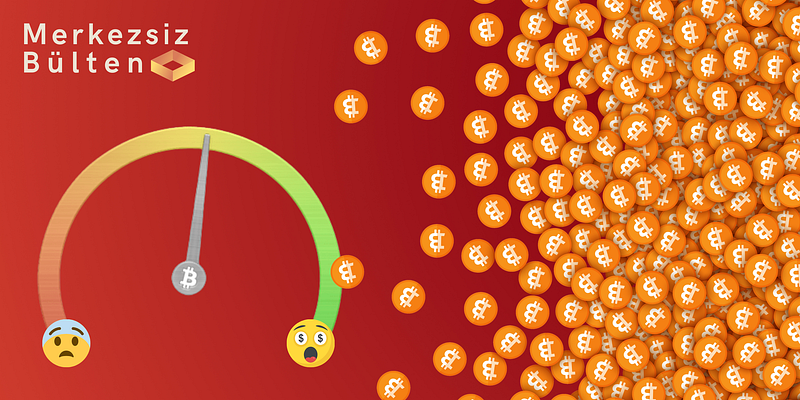
Greed Index," which helps us understand the cryptocurrency markets , gradually shifted away from the fear side and settled in neutral territory. While the index may have been struggling for months due to fear, we hope that this week will alleviate that discomfort .
Another development comes from Japan! Cryptocurrency exchange Coinbase has decided to withdraw from Japan. Having recently laid off many employees, the platform will now completely shut down its Japanese unit. Giving its Japanese customers a one-month grace period, the exchange stated that they must withdraw their assets by February 16th.
The World Economic Forum in Davos , attended by half of the estimated 500 companies, also saw the presence of many technology companies and startups. Blockchain technology, artificial intelligence (AI), virtual reality (VR) , and Internet of Things (IoT) initiatives caught our attention. One of the topics discussed in the panels was the future of money . As you can imagine, when discussing the future of currencies and systems, the topic inevitably includes cryptocurrency.
the political , pragmatic , and futuristic uses of cryptocurrency technologies . These topics include preventing corruption with blockchain , decentralized finance, the metaverse , and promoting the climate movement with Web3. Topics such as these were also included.
That was this week's events; we hope you have a peaceful and wonderful day and that it inspires you on your other days.
If you'd like to connect us with people who might be interested and enjoy reading this, you can use our link merkezsizbulten.substack.com or share it using the button above.
Once again, see you next week on a much happier Sunday morning.
Decentralized Bulletin
Originally published on Medium on February 02, 2023. English translation of “Korku, Açgözlülük ve Boyun Ağrısı”.