
2017 Rationalist.org — Evolution Tree content
The brown Himalayan bear above clearly looks like a bear, but genetic analysis shows that the animal is sometimes confused with Bigfoot.
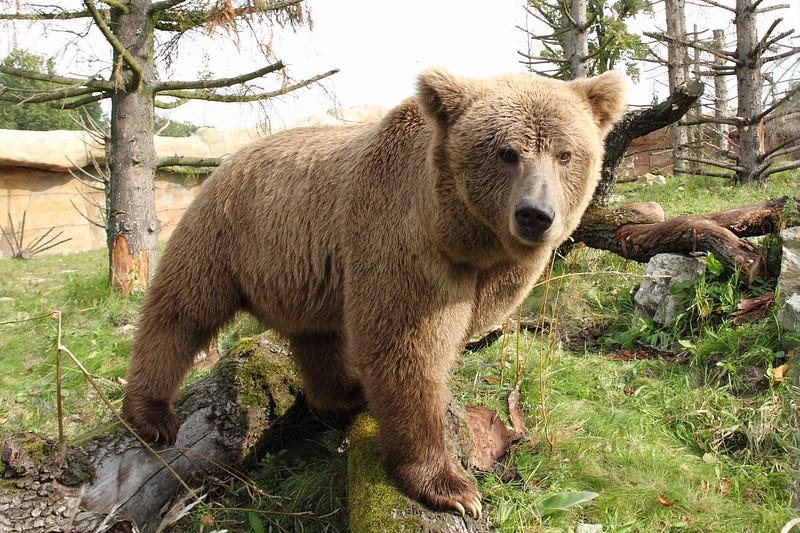
The legend of the large, furry bipedal creatures called Bigfoot is rooted in bears, which are not so mysterious after all.
In a Royal Society publication dated November 29, researchers reported that eight remains—fur, bones, and teeth—believed to be from Bigfoot mountain animals, actually belonged to different species of bears in the Himalayas. The ninth remains were found to be from a dog.
Previous analyses of smaller fragments of "Bigfoot" DNA have sparked controversy. A new study examines larger fragments of Bigfoot DNA, analyzing mitochondrial genomes from these animals and comparing them to those of various bear species, including polar bears and Tibetan brown bears.
The results also offer a new perspective on the genetic relationships between different bear species living on the Tibetan Plateau, guiding us in the conservation of these rare subspecies. According to the data, Himalayan brown bears were among the first groups to separate from other brown bears and become a distinct species during an ice age 660,000 years ago.
On the other hand, Tibetan brown bears share a closer common ancestor with their relatives in Eurasia and North America. Although they migrated to the region approximately 340,000 years ago, they remained separate from Himalayan brown bears due to the rugged terrain and mountains.
Translator: Ayşe Ege Palaz
References
1. ScienceNews, “Here's yet more evidence that the mythical yeti was probably a bear” < https://www.sciencenews.org/blog/science-ticker/yeti-himalayan-brown-bear >
Originally published on Medium on March 02, 2025. English translation of “Kanıtlar Efsanevi Kocaayakların Aslında Ayılar Olduğunu Gösteriyor”.